The purpose of this website is education about phosphate strip mining. The citizens of the Central Florida Phosphate District, also known as Bone Valley, should know all of the facts concerning this major impact. The phosphate industry in Bone Valley is essentially one company, called Mosaic. Mosaic will not tell you the entire truth of their phosphate mining impact.We must educate ourselves as citizens and let our elected officials who make the permit decisions know how we think and feel. The industry allocates millions of dollars hoping to influence the local community as well as to buy propaganda advertisement, which we call “greenwashing”. Desoto County is new territory for potential phosphate mining. As the counties that already have phosphate mining show, there is little to gain and much to lose from this strip mining. We believe that all future permitting of phosphate strip mining and fertilizer processing must be stopped. Ultimately it is we as citizens who must hold our county commissioners and other elected representatives accountable to do their job of representing the people. Please browse our website, become informed and then involved.
The Peace River Heartland
Hardee, Polk, Hillsborough, Manatee, Charlotte, and DeSoto Counties
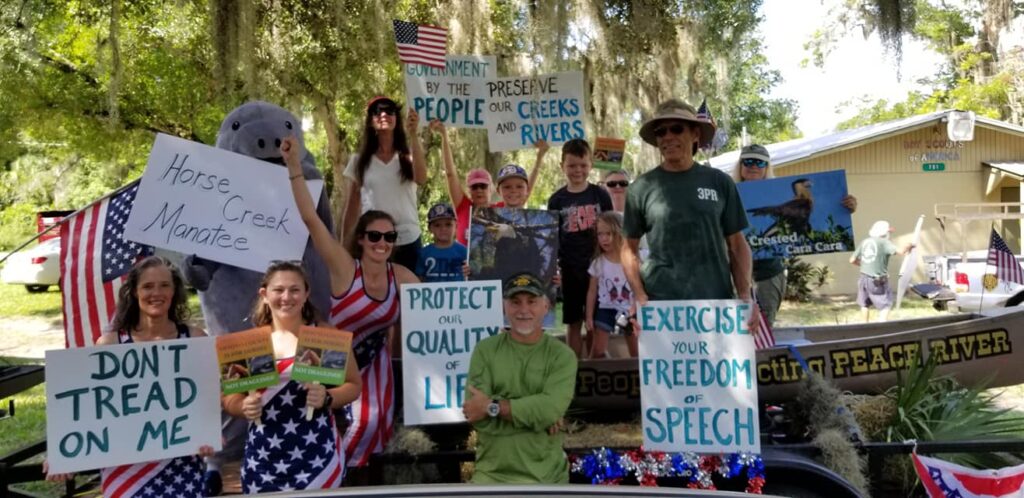
People for Protecting Peace River is a diverse grass roots community of citizens whose lives are threatened by the effects of phosphate strip mining in Central Florida. We are concerned about the effects on our health, water resources, quality of life and environmental integrity. Our members come from all parts of Florida, as this problem affects many of us.
We must end the damage and pollution to our land, water, and air. We have to make the full truth of phosphate strip mining known. We have to make it known to our regulating agencies, local, state and federal government, and the public, that we have a right to live without the degradation of our communities and environment and the threat to our health by phosphate strip mining.
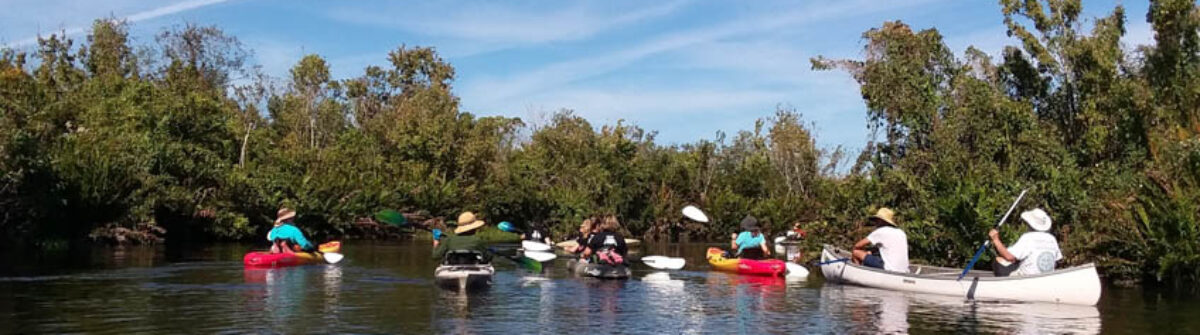
Economic development and conservation can coexist if we preserve the natural beauty that is still abundant in our interior counties. 3PR believes that long term, the quality of life and the health of the area’s economy depends on unspoiled rural lands. Phosphate strip mining is not consistent with this vision. We owe it to our future generations to keep our Florida watersheds at least as diverse, intact and functioning as they are now.
Our Mission
People for Protecting Peace River seeks to educate the public and fight for the extraordinary natural and agricultural lands and waterways of interior Florida. The goal of 3PR is to stop the damage by phosphate strip mining and fertilizer production.